Pekins as Pets
The Ideal Garden Hen
History of the Pekin Bantam
The Pekin Bantam is a delightful true bantam (meaning it has no large counterpart) that originated in China, specifically in the region of Pekin (now Beijing), from which they derive their name. A popular, though debated, story suggests the first birds were taken from the private collection of the Emperor of China during the looting of the Summer Palace by Anglo-French forces around 1860.
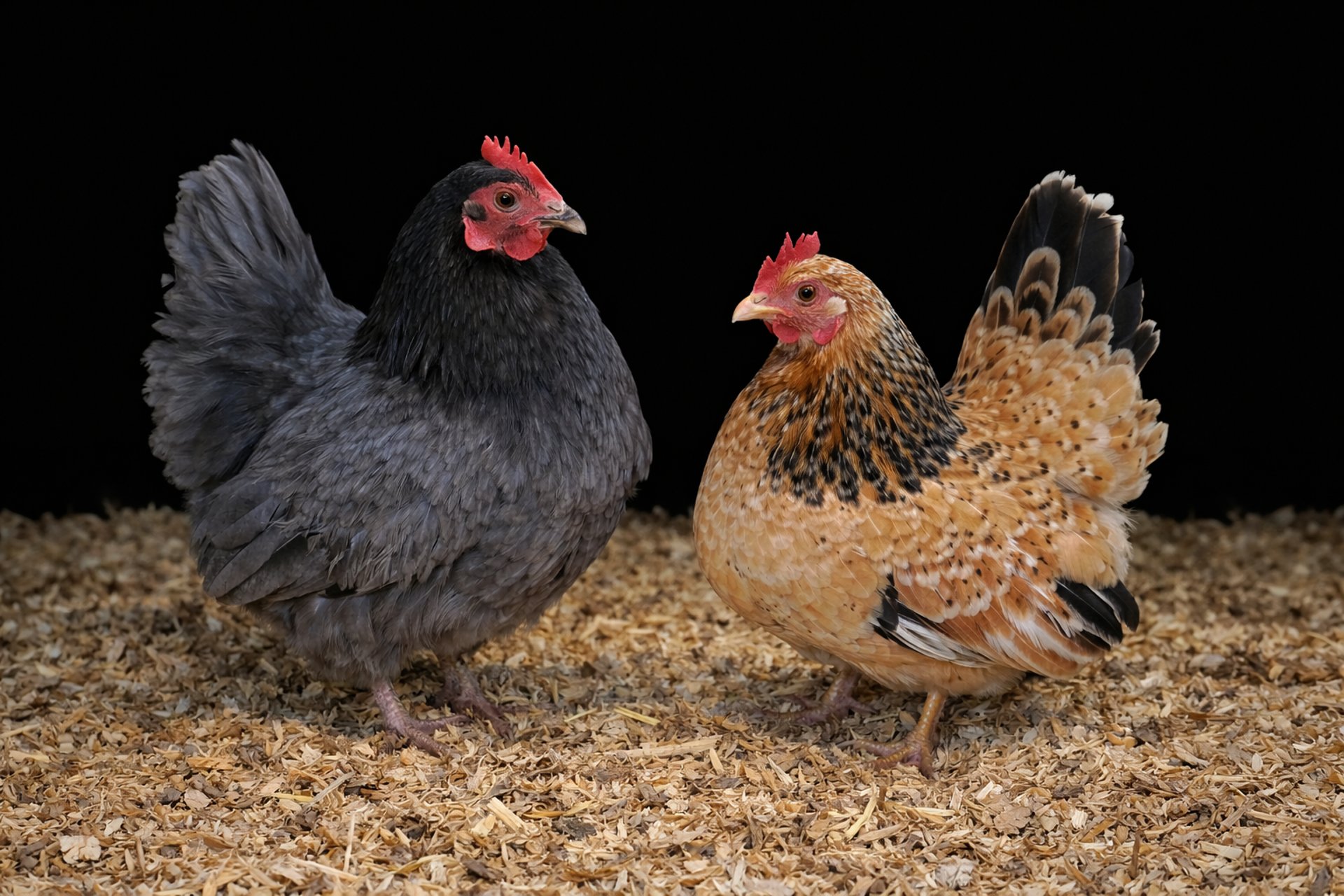
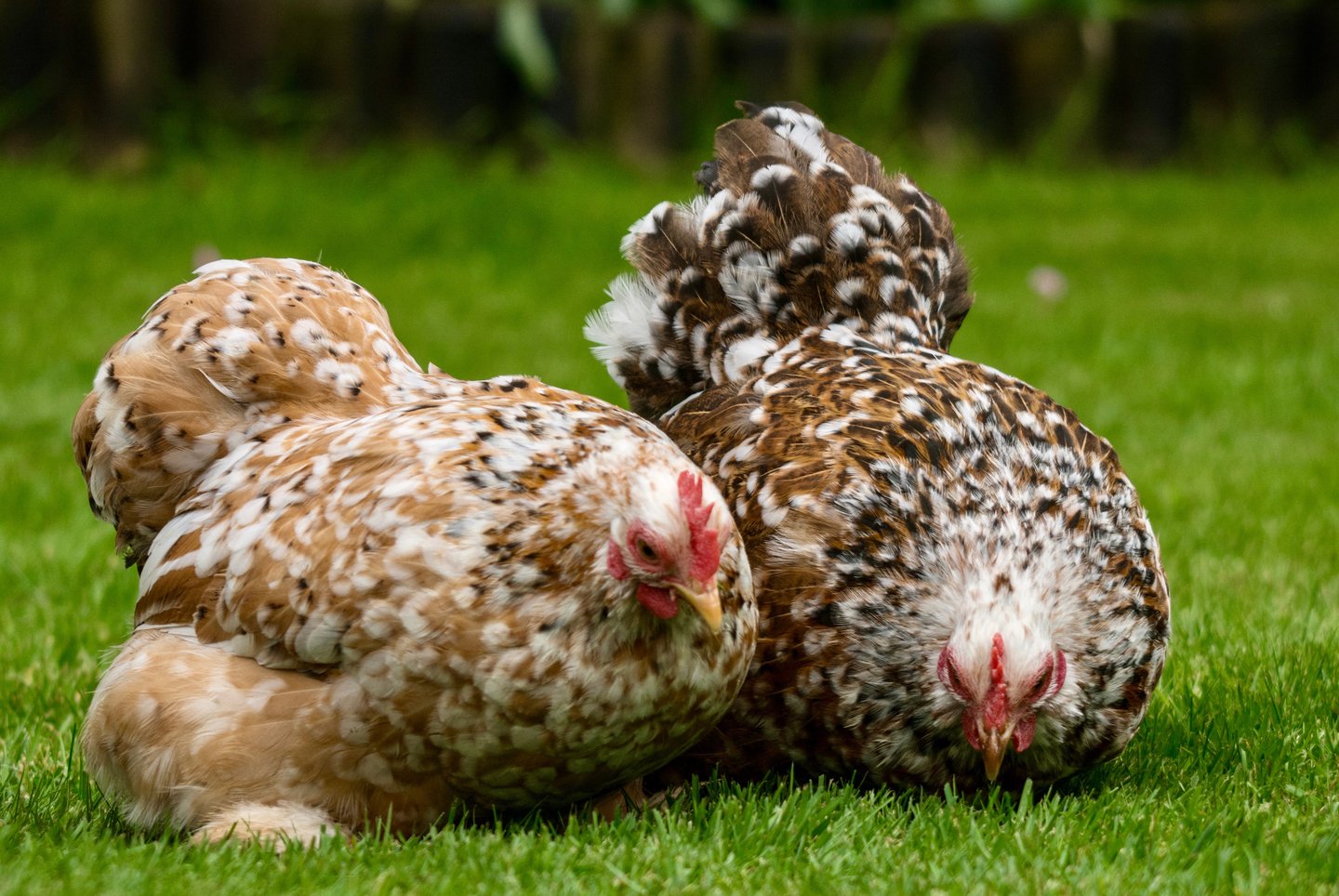
While the 1860 date is often cited, some sources suggest they may have arrived in the UK earlier, between 1830-1840, with some birds reportedly presented to Queen Victoria. The original imported birds were buff-colored and different from modern Pekins—taller and harder-feathered. British breeders refined them over many years to create the small, round, and heavily feathered bird known today. These small chickens are particularly well-suited for modern smaller gardens due to their compact size and manageable space requirements. They typically come in a variety of colours, including white, black, blue, porcelain, millefleur, mottled, lemon cuckoo and lavender, to name but a few, adding a beautiful aesthetic to any backyard.
In terms of egg-laying capabilities, Pekin Bantams are not prolific layers compared to larger breeds but can produce around 180-220 small to medium-sized eggs per year, which are usually cream or tinted. They are generally healthy birds and have a lifespan of about 6 to 8 years, depending on their living conditions and care.
For a comfortable living environment, a medium size coop, and as large as possible, secure run to roam and forage. Feeding them is straightforward; a balanced diet of high-quality layers pellets, supplemented with grains, greens, and occasional treats ensures they thrive.
Pekin Bantams are known to be quite easy to hatch, making them a favourite for novice poultry keepers. While they do exhibit broody behaviour, wanting to sit on and hatch eggs, most but not all individuals will do so consistently. They are typically very friendly and sociable birds, making them great companions, especially for families with children. Their calm demeanor and gentle nature make them easy to handle and safe around kids, proving to be an excellent addition to any back garden.
Physical Characteristics and Varieties
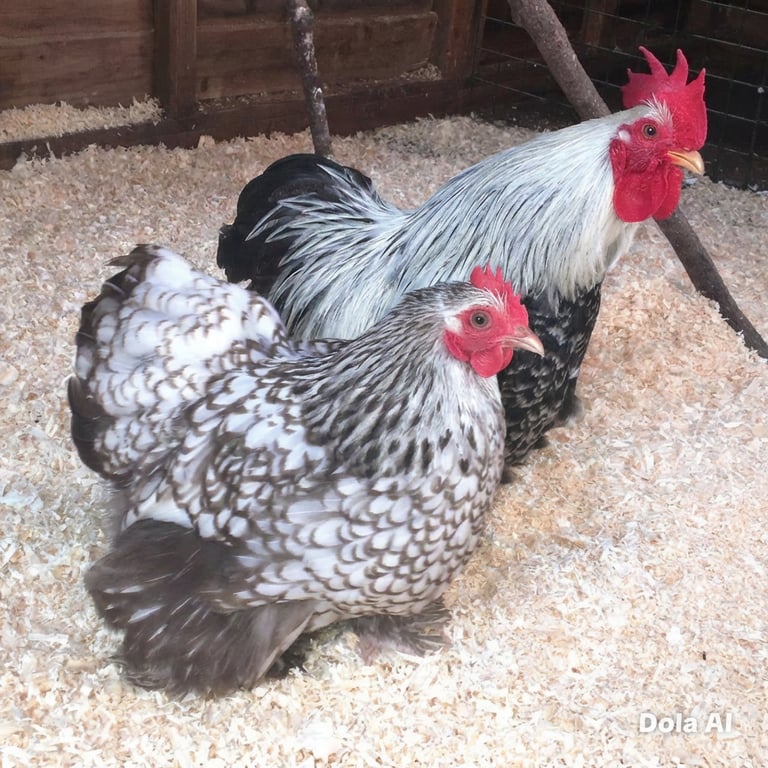
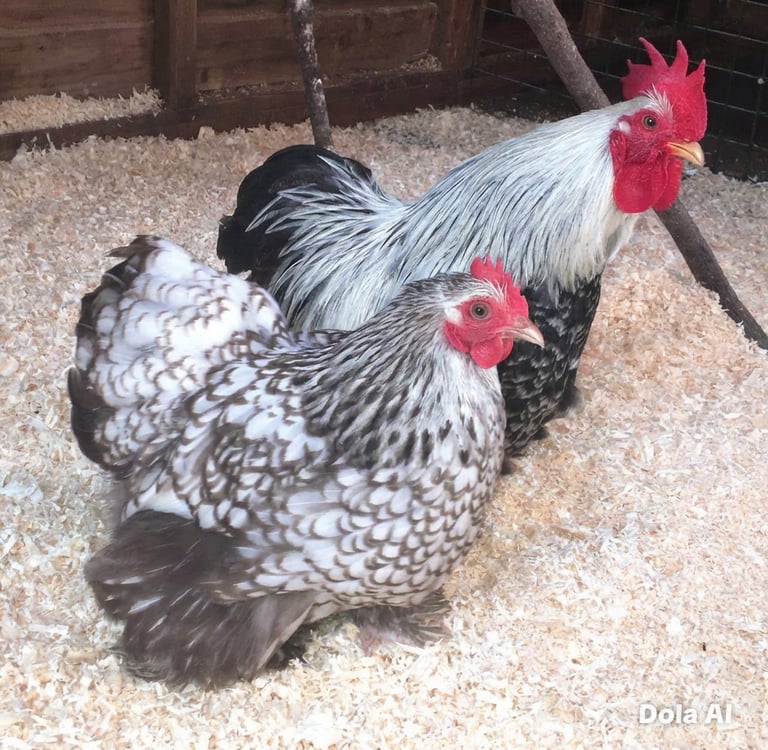
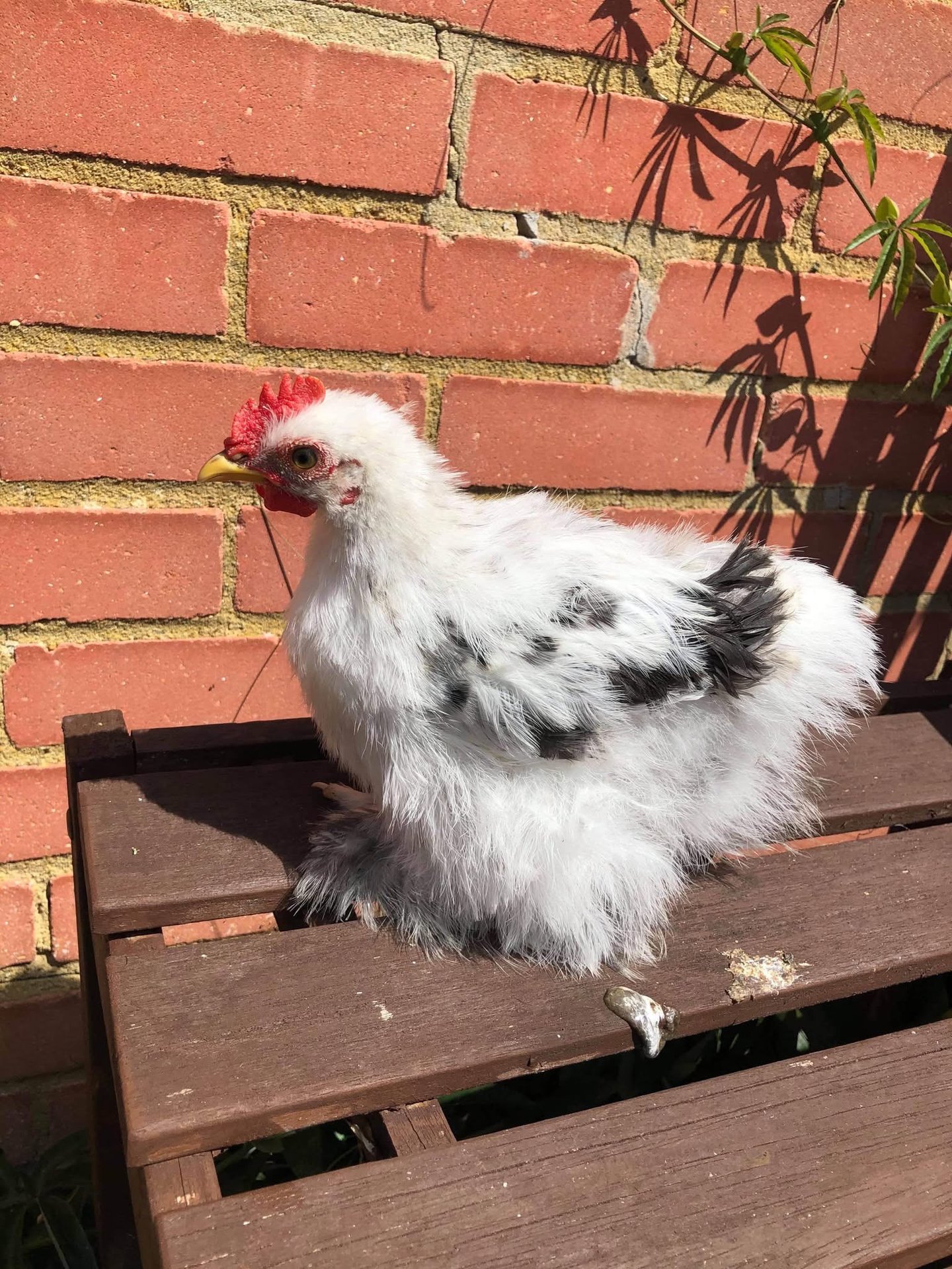
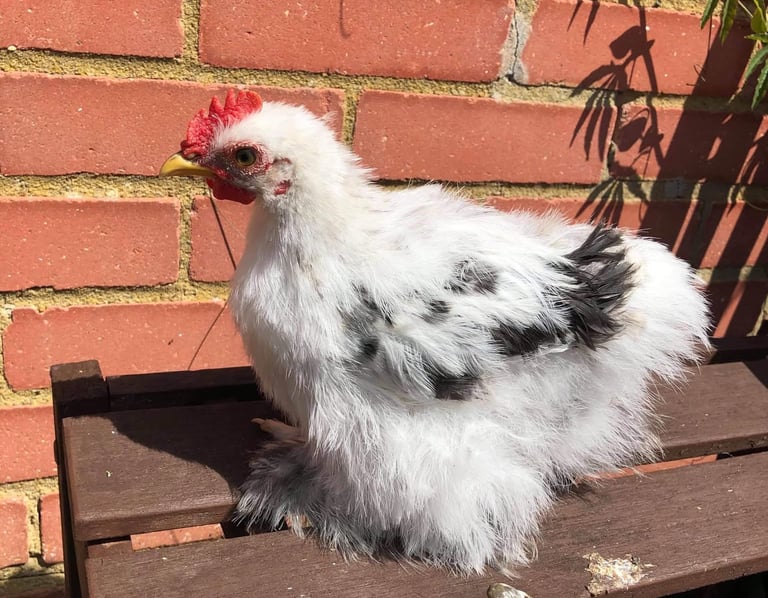
Appearance They are small, low-set, and very round, often described as "walking tea cozies." They are completely covered in feathers from head to toe, with heavily feathered legs and feet.
Size Small, with hens weighing around 870g-950g and roosters around 1kg-1.2kg.
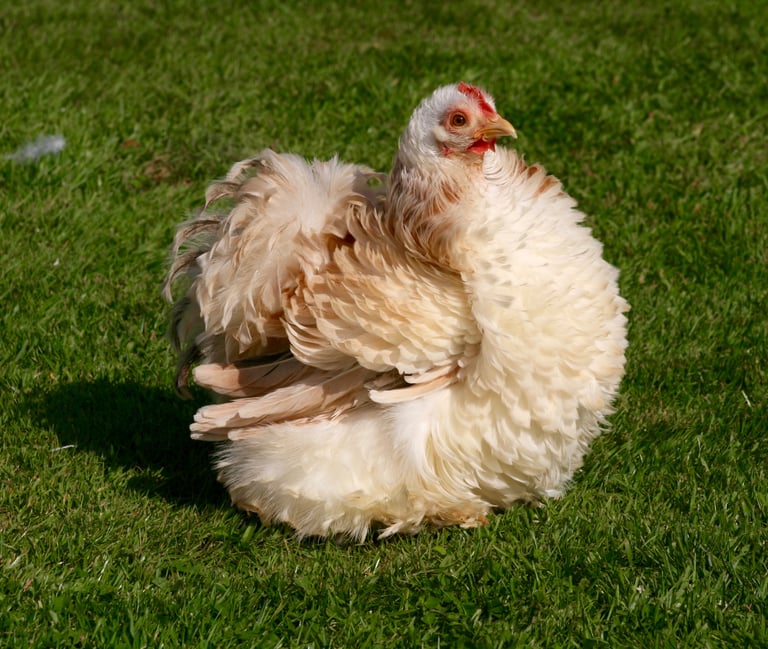
Frizzle A popular variation is the Frizzle Pekin, which has feathers that curl outward.
Silkied A rarer variation is the Silkie Pekin, which has feathers that have no filaments on the feathers giving them a 'fluffy' appearance, much like that of a feather boa.
Care and Management
Temperament: Extremely docile, friendly, and easily tamed, making them perfect pets for children. They are generally confident and enjoy human company.
Housing & Space: They require little space, making them ideal for urban gardens. Because they do not fly well and have feathered feet, they should be kept in a dry, clean, and secure area to prevent muddy conditions.
Cold & Heat Tolerance: They are quite hardy in winter due to their dense, fluffy plumage. However, they struggle in extreme, wet, and muddy conditions, which can lead to soiled, unhealthy feet. They also require ample shade during hot weather.
Diet: They need a standard layer diet but, like all chickens, benefit from foraging.
Lifespan: With proper care, they can live 6-8 years.
Productivity
Eggs: They are moderate layers, producing about 100-150 small, cream-coloured eggs per year.
Broodiness: Pekin hens are well-known for frequently going broody and make excellent, attentive mothers. Chicks, once hatched, grow quickly and can usually be reliably sexed by around 4-7 weeks.
Health and Maintenance
Foot Care: Their leg feathers need regular inspection to ensure they do not become matted, dirty, or infested with scaly leg mites.
Mites/Lice: As with all feathered-leg breeds, regular checks for mites and lice under their thick plumage are essential.
Suitability
Best for: Beginners, families with children, small gardens, and people looking for pet chickens rather than high-volume egg production.
Note: While hens are docile, roosters can occasionally become territorial or aggressive once they reach maturity.