In-Depth Guide to Incubating & Best Incubators
Explore our comprehensive guide on incubating and the best incubators available. Learn how to effectively use them for successful incubation and achieve optimal results.
Sarah Barratt
2/2/20264 min read
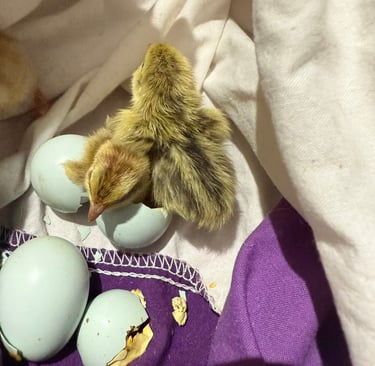
Hatching Chicks at Home: A Beginner’s Guide from Parkside Poultry
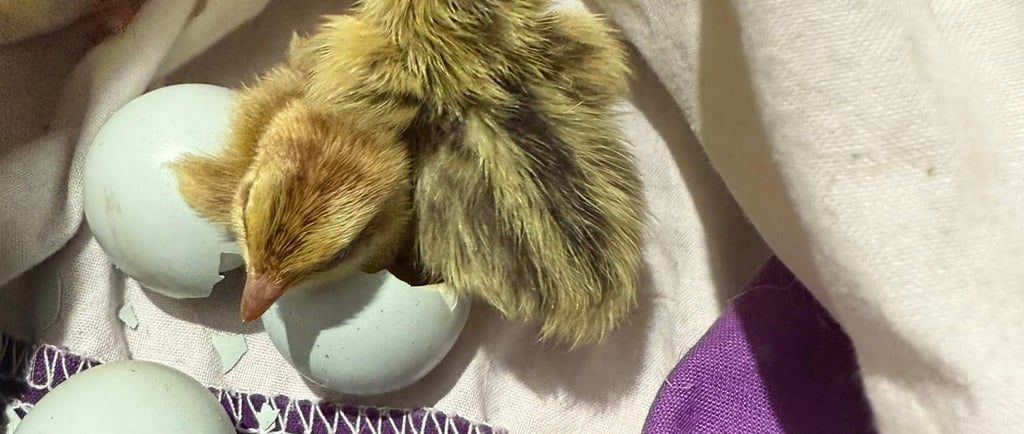
Each spring, interest in hatching chicks at home rises dramatically and in recent years, more families than ever have discovered just how rewarding poultry keeping can be. Whether you’re educating children, starting a backyard flock, or simply experiencing the magic of new life, incubating eggs is one of the most memorable ways to begin your chicken-keeping journey.
At Parkside Poultry, we’ve helped countless beginners successfully hatch and rear healthy chicks. While hatching is exciting, success depends on proper preparation, realistic expectations, and using the right equipment from the start.
Choosing the Right Egg Incubator
Successful incubation starts with temperature stability.
Fertile chicken eggs must be kept at 37.5°C continuously for 21 days. Even small temperature fluctuations can prevent embryos from developing correctly.
Many low-cost incubators available online appear attractive, but cheaper models often struggle to maintain consistent heat levels and may produce disappointing hatch rates. Investing in a reliable, well-built incubator dramatically increases success — particularly for first-time hatchers.
Buy the best you can afford. Smaller but better is way more effective than larger and cheaper. The best incubator for hatching chicken eggs in the UK in my opinion is a Brinsea https://brinsea.co.uk. I have used just about every model over the years and all are fantastic, reliable incubators which will help you to hatch chicks at home.
Where to Position Your Incubator
Location inside your home plays a bigger role than many people realise.
For best results, place your incubator:
Away from direct sunlight
Clear of radiators or heating sources
Out of drafts and doorways
In a room with stable day and night temperatures
Environmental temperature swings force incubators to work harder and often lead to failed hatches.
Always Test Your Incubator First
Before setting eggs, run your incubator for at least 24 hours.
Place a medical or calibrated thermometer at egg level and confirm the internal temperature matches the display reading. Incorrect factory calibration is one of the most common mistakes new poultry keepers encounter.
Adjust settings until the thermometer consistently reads 37.5°C.
Taking this simple step can significantly improve hatch success rates.
Sourcing High-Quality Fertile Eggs
The quality of fertile eggs directly affects hatch outcomes.
At Parkside Poultry, we strongly recommend purchasing eggs from reputable breeders, such as ourselves, who regularly monitor fertility and flock health. Eggs should be carefully packed using protective inserts to minimise damage during transport.
Even under ideal conditions, not every egg will hatch — and understanding this helps prevent disappointment.
Typical Hatch Expectations
100% hatch rate: Rare and exceptional
70–75% hatch rate: Very good
Around 50%: Acceptable for beginners
Below 50%: Usually indicates setup or egg quality issues
From six fertile eggs, hatching four or five healthy chicks is considered a successful outcome.
Planning Ahead: What About Cockerels?
When hatching eggs, approximately half of the chicks may grow into cockerels.
Before incubating, ensure you:
Are permitted to keep males where you live
Have a rehoming plan
Can responsibly manage unwanted birds
If cockerels are unsuitable for your situation, purchasing sexed female chicks may be a better option.
Caring for Newly Hatched Chicks
Once chicks emerge, they require immediate warmth and protection.
Your brooder setup should include:
A secure draft-free enclosure
Non-slip flooring to protect developing legs
Continuous access to fresh water
Chick starter feed (chick crumb)
A safe heat source
Newly hatched chicks cannot regulate body temperature, and standard room conditions are not warm enough during their first weeks of life.
Always ensure brooders are protected from household pets such as cats and dogs.
Children and Chicks: Safe Handling
Hatching chicks is an incredible educational experience for children, helping them learn responsibility and animal care.
However, chicks are delicate. Young children should always be supervised and shown how to:
Hold chicks gently
Avoid squeezing
Support the bird properly
Positive early handling helps produce calmer adult chickens.
An Alternative Method: Let a Broody Hen Raise Chicks
One of the most natural, and often easiest, ways to rear chicks is by allowing a broody hen to adopt them.
Watching a mother hen care for chicks is one of poultry keeping’s greatest pleasures.
Step 1: Select a Reliable Broody Hen
Choose a hen that has remained broody for at least two weeks, showing strong nesting behaviour.
Step 2: Introduce Chicks at Night
After dark, gently place young chicks beneath the hen while removing any eggs she has been sitting on. Darkness helps encourage acceptance.
Step 3: Monitor Behaviour
The following morning, observe carefully. Accepted chicks will be tucked under her wings while she communicates with soft clucking sounds.
Aggressive pecking means intervention may be required.
Step 4: Provide Suitable Feed
Offer chick starter feed that both hen and chicks can safely eat, along with shallow drinkers to prevent accidents.
Step 5: Allow Natural Rearing
Once bonded, the hen provides warmth, protection, and teaches natural behaviours such as foraging often producing stronger, more resilient birds than artificial brooding alone.
Why Hatching Chicks Is So Rewarding
Whether using an incubator or a broody hen, raising chicks at home creates lasting memories and builds confidence for new poultry keepers.
With the right preparation, realistic expectations, and reliable advice, hatching chicks can become the start of a thriving backyard flock.
Learn More with Parkside Poultry
Explore:
Beginner chicken keeping guides
Incubation advice
Brooding setup recommendations
Poultry care resources for families and smallholders
Start your poultry journey the right way with trusted advice from Parkside Poultry.