
Malaysian Serama Hatching Eggs (Frizzled)
50% chance of Frizzle
£19.00
Our eggs come from happy, healthy Serama raised with care. Each egg is quickly and carefully collected to ensure the best chance of hatching and for your chicks to thrive. Perfect for backyard hatchers looking to start their flock with quality stock. This is for eggs from our frizzled group. We also have silkied and smooth or can put together a lucky dip.
Frizzled Serama eggs have a 50% chance of actually being frizzled. You can only keep either hens OR cockerels with frizzled feathers together. Two frizzled parents are a no go as the feathers, of a percentage of the chicks, can be 'frazzled', a devastating and complicated outcome for the chicks who, if they survive, will suffer with health problems, feather breakage and pain. This is because it is a dominant gene and is not carried, which is different to the silkie gene which is recessive and can therefore be carried (the adult will have smooth feathers but the offspring will be silkied if both parents to carry the gene.
For that reason I have only frizzled cockerels OR frizzled hens in each pen. As the frizzled feather gene is dominant, and cannot be carried silently , there is no way you will get a frazzle chick from my eggs.
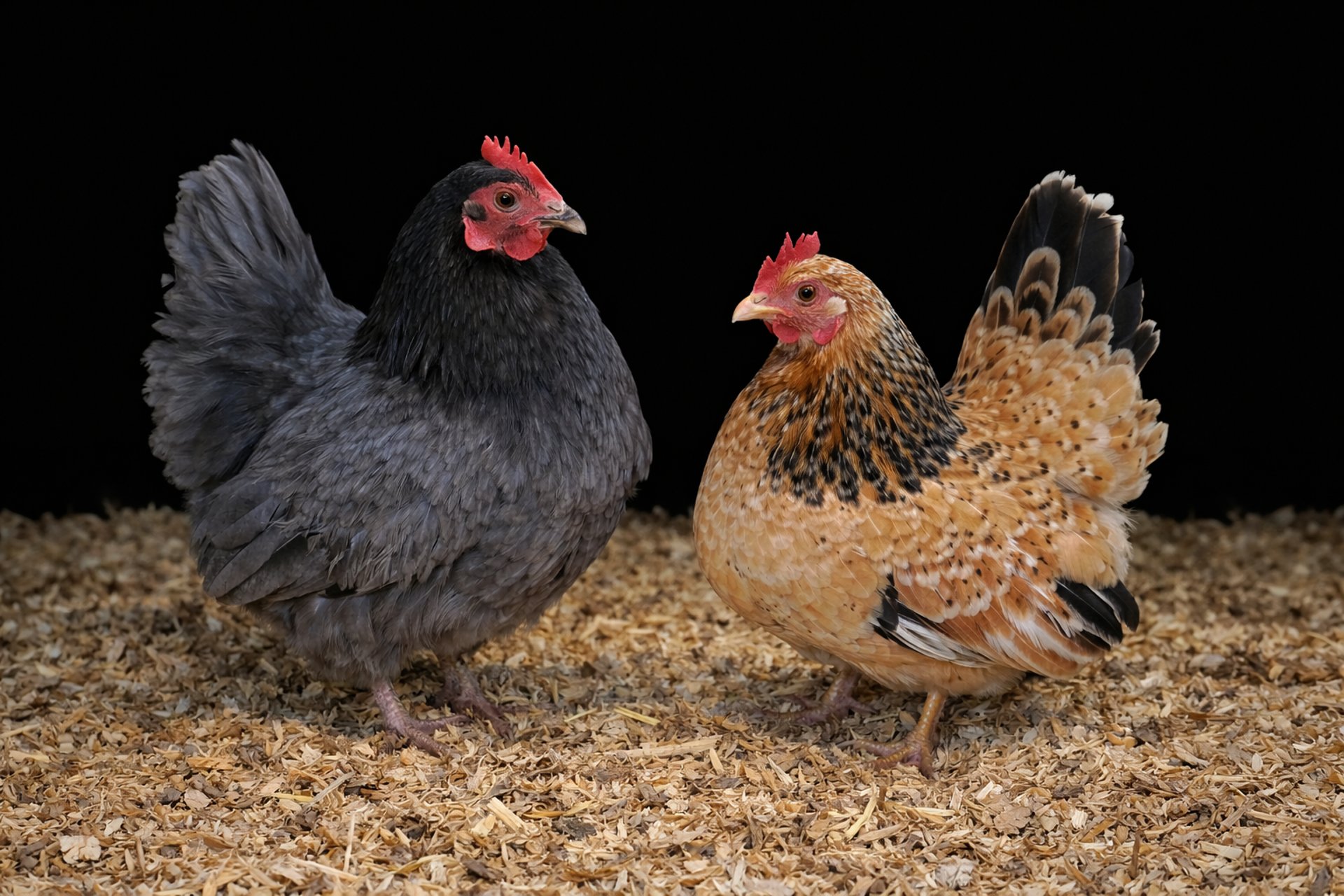
The Serama are characterized by their upright posture, full breast, vertical tail feathers held upright and tight up to the body and vertical wings held down nearly touching the ground. In Malaysia they are described as brave warriors and archangel chickens, because of their very human like appearance.
They are the smallest breed of chicken in the world. Typically under 500g, but with even smaller birds that are under 250g being bred in its native Malaysia. However, size alone does not define a Serama. A small chicken without the Serama “type” is not a Serama, but just another small bantam.
The following describes the overall characteristics of “Malaysian type.” The Americans and Europeans have defined variants thereof.
Carriage & Temperament
Assertive with confident bold stance yet calm and manageable. Should be easily handled and show no aggression. The bird should pose readily and when viewed from the side should create a vase like or wide ‘V’ shape outline. They shake their wings and pose, walk with pride, pull their head back to reveal a large chest, lift the legs, and in some styles have neck/head vibrations similar to that of a pigeon.
Body
The body is well muscled with breast carried high, full and well forward. From above the shape is somewhat elliptical, tapering towards the tail. The body should be short.
Wings
Fairly large wings in proportion to the body they should be held in a vertical position just clearing the ground and leaving the feet partially visible. Shoulders should be set high on the bird. Primaries are long of medium width with secondaries moderately long and broad.
Tail
Tail is full and carried high, pointing upwards and held close to the body of the bird with no space between the body and tail. The sickle feathers are relatively straight and spear like. A minimum of one inch longer than the other tail feathers, but ideally no more than a couple of inches above the head is desirable. The remaining tail feathers should ideally be no higher than the top of the comb when the bird is standing to attention. The Main tail feathers should be broad and should over lap neatly. The tail should be open and when viewed from behind should be open to an angle of 45 degrees creating an open ‘V’ shape.
Head
Head should be small and carried well back. Head is required beyond the level of the feet and held in position of more than 90 degrees from the feet. The single comb is small to medium in size with a minimum of five serrations preferred. The comb should be straight smooth, free of folds or any deformities and tending towards flyaway type. Wattles are to compliment the comb, smaller being preferred and free from folds and wrinkles.
Legs and feet
The legs are of medium to long length, straight and set wide apart to allow for full and muscular body. They should be strong and stable. Thighs should be of medium length and well muscled with shanks of good thickness. They should not appear soft and weak.
Feathers & Colour
Like some other Asiatic breeds, they are not colour bred in their native country. Only normal feathered birds are accepted in Malaysia. Feathers held tight against the body and should not be long or flowing.
Silkied feathered birds are accepted in America and much of Europe. The silkied gene was believed to be carried by some birds imported from Malaysia.
Other mutations (e.g. frizzled, rumpless and booted) have been introduced in America and some parts of Europe by crossing to other breeds.
Breeding
Seramas are much like other Bantam breeds. After laying an egg it takes approximately 19–21 days for the chicks to develop and hatch. Chicks are more susceptible to cold temperatures compared to other breeds because of their relative small size. After hatching, it takes about 16–18 weeks for the chicks to mature and reach the point at which they themselves can begin laying eggs.
One U.S. breeder of note was Mr. Brian Sparks of Wisconsin. Mr. Sparks advocated the Malaysian style of breeding. He was successful in recreating the strong type and small size seen in true Malaysian birds. Word got back to the serama’s native country and top breeders. They took interest in his work and articles about his successes were published by Malaysian news sources.[4]
It is debated that the American Serama is actually a separate breed from the true Malaysian Serama. There have been some articles written that in the USA. the “serama” was mainly bred from Ayam Kapan and the traits selected for breeding actually more closely resemble this breed[5]. It is unknown if any serama, from the smaller import, remain today. As this debate continues, there are many examples of breeders in the USA with serama showing Malaysian style than previously thought existed. Through careful breeding, these traits have reemerged.