Quail Farming: Start Your Flock Today
Learn how to effectively start quail farming for your family. Discover how many eggs you need to buy, when to cull, and the best cooking methods for raising quail for food. Start your journey in quail farming today!
Sarah Barratt
1/3/20265 min read
Understanding Quail Breeding Basics
Embarking on a quail breeding venture necessitates a foundational grasp of quail biology and reproductive behaviors. Quail are prolific producers of eggs, with a typical laying cycle allowing female quails to lay between 200 to 300 eggs per year. This high productivity can translate into a profitable yield if managed effectively.
To estimate the number of chicks that can be expected from egg production, it is essential to note that under optimal conditions, around 70% to 80% of fertilized eggs will hatch. Therefore, if a breeding scenario involves a female quail laying 250 eggs annually, one can anticipate approximately 175 to 200 chicks, accounting for potential factors that may influence hatchability.
Furthermore, understanding the male-to-female ratio is critical in optimizing breeding outcomes. It is generally recommended to maintain a ratio of one male for every five females. This arrangement helps ensure adequate breeding opportunities, promoting successful fertilization and maximizing egg production. Conversely, having too many males could lead to competitive stress and aggression, potentially compromising the health and productivity of the breeding quail.
When planning for quail breeding, it is also advisable to consider the specific breed of quail, as different breeds may exhibit varying laying patterns and fertility rates. Hence, proper research and awareness of the breeds' characteristics can enhance the efficiency of the breeding process.
Understanding these basic principles of quail breeding lays the groundwork for a successful endeavor, ensuring that breeders can make informed decisions about their flock management strategies, thus leveraging the potential benefits of quail production.
Setting a Timeline for Egg Procurement and Incubation
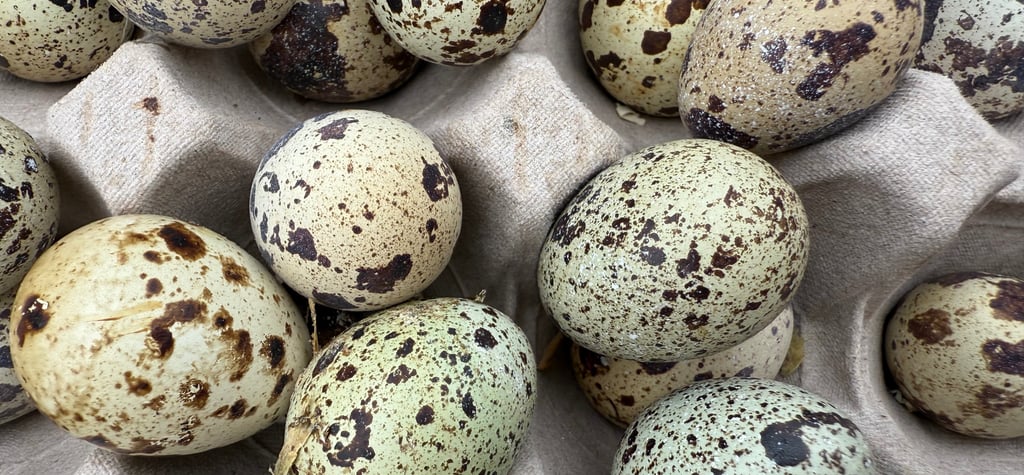
When planning to feed your family with excess quail, developing an appropriate timeline for egg procurement and incubation is essential. This timeline is heavily influenced by factors such as the desired number of birds, your family’s consumption rate, and the seasonal availability of quail eggs. Generally, quail eggs should be incubated for about 17 to 18 days. Therefore, aligning your egg procurement with these timelines is crucial for ensuring a steady supply of quail.
Start by determining your family’s needs regarding quail meat and eggs. Consider how many birds you require for a consistent and sustainable food source. Based on this number, calculate how many eggs you will need to incubate. Additionally, keep in mind the hatching rate of quail eggs, which can vary but is typically around 70% to 90%. By factoring in the hatchability percentage, you can adjust your procurement plan accordingly.
Next, plan when to purchase your quail eggs. Ideally, sourcing eggs should occur approximately three weeks before the intended hatching date. This allows you enough time to prepare the incubation setup properly. Make sure to select high-quality eggs from reputable suppliers to ensure a successful hatch. After purchasing, ensure that you maintain the proper temperature and humidity levels in the incubator to facilitate optimal hatching conditions.
Lastly, consider the living conditions for your quail after they hatch. Prepare their housing environment in advance to make certain that everything is ready when the chicks emerge. The overall timeline should start from the initial egg procurement and extend to the successful integration of the birds into your family’s feeding regimen. By planning meticulously, you can ensure a steady supply of quail that will meet your family’s dietary needs.
Managing Your Quail Population: Culling and Cooking
Once your quail reach maturity, effective management of their population is crucial to ensure the health and productivity of both the birds and your family. One of the key aspects of this management is culling, a process that involves selecting birds for removal from the flock. Culling should be performed based on several criteria, including health, age, and overall productivity. Typically, quail that exhibit signs of illness, have reduced egg-laying capabilities or are overly aggressive should be considered for culling. Regularly assessing your quail allows for maintaining a robust and lively population, which ultimately contributes to better living conditions and more eggs or meat for your household.
When preparing to cull your quail, it is important to follow humane practices. I don't feel the necessity to go into methods as this can all be viewed on Youtube. Ensuring the welfare of the animals is your top priority. Once the culling process is complete, it’s equally essential to process the birds quickly to preserve their quality for cooking. Proper cleaning and preparation can help maintain the flavor and texture, enhancing your culinary experiences.
Cooking quail can be a delightful endeavor, as these birds are versatile and provide unique flavors for various dishes. Quail can be roasted, grilled, pan-seared, or braised, each method offering distinct tastes and textures. They are small and cook relatively quickly, making them ideal for busy families. Roasting is particularly popular; simply seasoning the quail with herbs and spices before placing them in the oven results in a tender and flavorful dish. For a unique flavor profile, consider marinating quail in citrus juices or soy sauce, which also helps to tenderize the meat.
Embracing multiple cooking techniques not only showcases your culinary skills but also guarantees that your family can savor the benefits of home-raised quail in a variety of ways.
Sustaining Your Quail Breeding for Ongoing Food Supply
Maintaining a sustainable quail population is crucial for ensuring a consistent food supply for your family. Quail breeding involves understanding their reproduction cycles and adapting your practices accordingly to meet the dietary needs of your household. First and foremost, familiarize yourself with the breeding cycles of your selected quail species, as this will guide your stocking rates and hatching schedules. Generally, quails reach sexual maturity at around six weeks of age and can lay eggs regularly thereafter, allowing for consistent production.
Effective record-keeping is also essential in sustaining your quail population. By meticulously tracking egg production, hatching success, and growth rates, you can identify trends that inform your breeding strategies. Keeping detailed records helps in making calculated decisions about which breeding pairs yield the healthiest offspring, ultimately improving your flock's productivity. Moreover, being aware of seasonal factors affecting quail performance, such as temperature and daylight, can aid in optimizing breeding schedules.
Furthermore, assessing your family's consumption needs is vital when planning your quail production. Consider how many quail your family eats monthly, which will allow you to adjust your breeding numbers accordingly. If you notice a rise in consumption or have guests visiting, you can hatch additional eggs to accommodate those needs. Conversely, if your family’s consumption decreases, revisiting your breeding plan can help prevent overpopulation. Regular evaluations will provide a clearer picture of your quail requirements, ensuring a stable food source that aligns with your family's dietary preferences.
In summary, by understanding breeding cycles, maintaining comprehensive records, and regularly assessing consumption needs, you can establish a sustainable quail breeding operation that meets your family's food supply requirements effectively.
In A Nutshell
If you buy 100 eggs, you should hope to hatch, for the sake of averages, 75 chicks, of which just over half, let's assume 45, will be boys. There is obviously no way for this to be anything other than guesswork but boys always seem to outweigh the girls on a hatch. So you immediately have 39 excess boys, if you want to keep some of the hens to provide future hatching eggs.
Assuming you're lucky and you have no fatalities (we all know how quail love to die) you will now have a breeding group of around 30 hens and 6 boys. You should get 30 eggs a day in season and from this you can maintain a hatching egg, and eating egg program to suit you family, plus maybe sell some eggs at the garden gate (perfectly legal in the UK).
How often you hatch from here on will dictate how many quail you will have to stock your freezer.